This post was originally published by the UN-REDD Programme.
Sustainable agriculture and forests are mutually reinforcing pillars that support Africa’s long-term development.
With agriculture central to the continent’s economies and projected population growth, strengthening agriculture–forestry linkages is increasingly recognized as a key transformation needed to enhance productivity, resilience, livelihood, and food security while reducing deforestation.
At the regional exchange on scaling solutions for decoupling agricultural production from deforestation in Africa, participants actively engaged and co-developed a roadmap to support the acceleration of Africa-owned solutions addressing agriculture-linked deforestation.
The “Addis Action Roadmap” acknowledges the crucial efforts, commitments, and progress already undertaken and achieved by countries and actors so far and calls for reinforced, bold and joint actions strengthening the linkages between agriculture and forestry sectors, to transform agricultural growth pathways in ways that prevent forest loss, strengthen rural livelihoods, enhance climate resilience, and secure a sustainable future for present and future generations.
Background
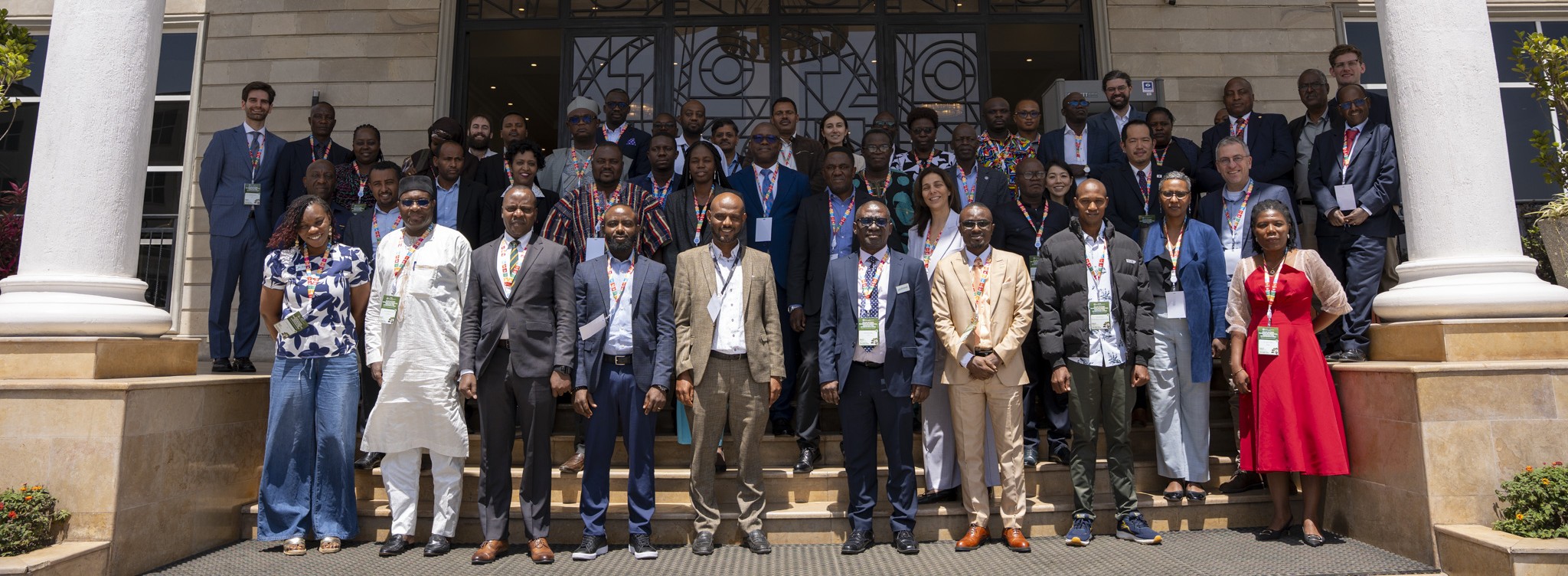
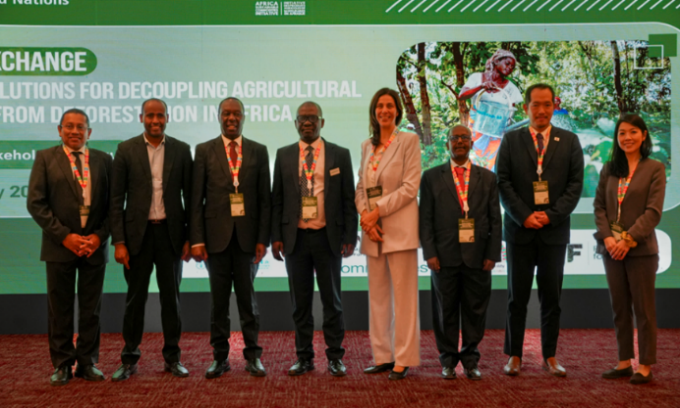
From 24 to 27 February 2026, the Food and Agriculture Organization of the United Nations (FAO) and the Africa Sustainable Commodities Initiative (ASCI) convened a regional multistakeholder dialogue in Addis Ababa, Ethiopia, bringing together 60–70 participants from government, producer organizations, civil society, academia, the private sector, and development partners representing more than ten African countries: Cameroon, the Congo, Côte d’Ivoire, Democratic Republic of Congo, Ethiopia, Ghana, Kenya, Nigeria, Uganda, and Zambia. Donor representatives from Japan, the EU, GIZ, and Norway also participated.
The event was supported by the UN-REDD Programme, BiG-CHANCE, AIM4Commodities, the Forest and Farm Facility (FFF) initiatives and programmes, and in collaboration with PartnershipsforForests.
The regional dialogue aimed to strengthen cross-sectoral and regional collaboration to address agriculture-linked deforestation by creating a space for countries and partners to share priorities, showcase successful approaches, exchange and learn tools and practical solutions to promote sustainable land use and forest-positive agricultural systems. Representatives from forestry and agriculture from each of the participating countries engaged alongside regional and international partners, representatives from smallholders’ associations and producer organizations to explore barriers and solutions on strategies and actions that can simultaneously address the need for continued agriculture and economic development while halting and preventing forest loss.
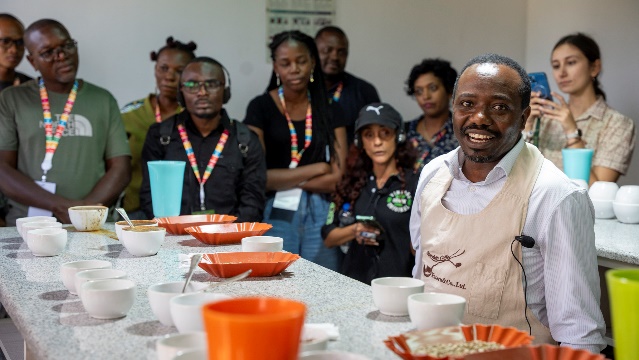
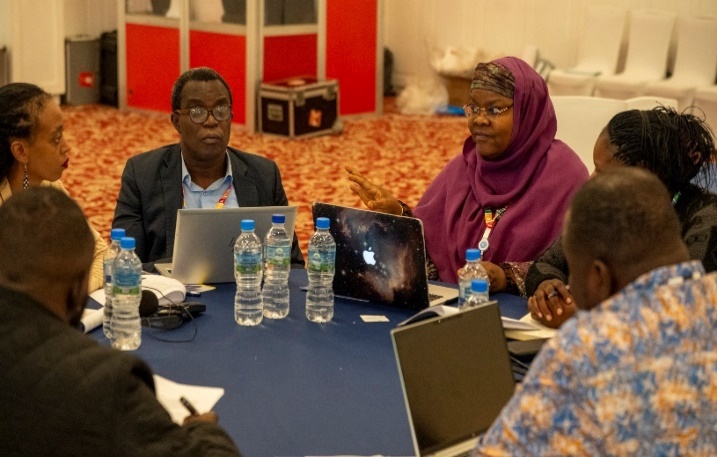
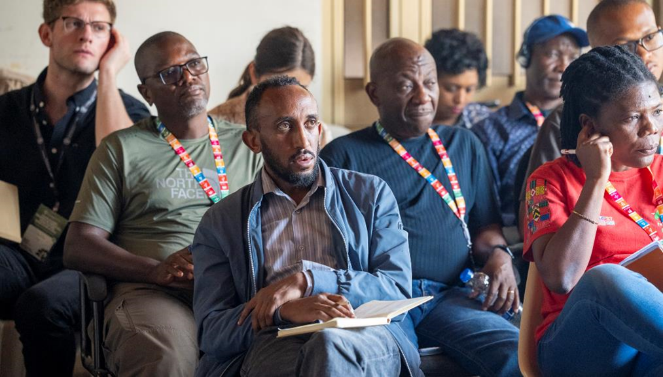
On the left: participants attending a field trip to the Yirgacheffe Coffee Farmers’ Cooperative Union in Addis.
The six system shifts brought forward by The Solutions-tree: halting deforestation through sustainable agrifood systems transformation (Strengthening land governance, sustainable agricultural production models, consumption and trade of responsibly produced commodities, incentives, data for decision making, and livelihoods and equity and inclusion) prompted dialogue and exchanges and served as a structure for the Roadmap.
The event also marked the launch of the Solutions-tree toolkit in French and Spanish, https://www.fao.org/haltingdeforestation/news/detail/the-solutions-tree-expands-its-reach-with-spanish-and-french-editions/en
Key takeaways
The discussions have shown that:
- African countries are already taking action, with growing commitments to address agriculture-linked deforestation. The workshop raised awareness of existing tools, strengthened technical capacity, and fostered South–South cooperation. Continued cross-sectoral collaboration and peer learning remain essential to accelerate continental transformation.
- Systemic, Integrated approaches are needed to align land-use planning, agricultural production, and forest conservation. Translating these approaches into concrete, context-specific actions is critical to form a larger systemic change.
- Integrated framework highlights six systemic solutions: strengthening land governance, scaling sustainable agricultural production models, scaling fiscal and financial incentives, improving data systems and traceability, and supporting smallholders and producer organizations for inclusive growth.
- Smallholders, producer organizations, and forest-dependent communities are key drivers of transformation and should be central in policy implementation.
- Inclusive and equitable participation—including women, youth, persons with disabilities, and Indigenous Peoples and Local Communities—is essential.
- Regional collaboration and shared African principles can catalyze change through grounded, regionally led approaches and solutions —Africa-led and Africa-driven.
Key outcomes
The workshop culminated in the co-creation of the Addis Action Roadmap (From vision to action: Roadmap for sustainable forests and agriculture in Africa), which outlines the strategic vision emerging from the dialogue, identifying key barriers and priority actions to address them.
Grounded in the six systemic shifts of the Solutions-tree framework, the roadmap sets out priority actions that can serve to accelerate future national policy reform, unlock investment, strengthen in-country and regional cooperation — driving the systemic transformation needed for a resilient and sustainable future for forests and agriculture in Africa.
The dialogue also highlighted the importance of continuing to strengthen cross-sectoral South–South exchange and peer learning, to foster greater regional collaboration and scaling existing solutions that support decouple agricultural growth from deforestation across the continent.
Ultimately, participants emphasized the need for systemic approaches, including boosting the use of the Solutions-tree framework, to accelerate integrated and cross-sectoral actions, strengthening positive linkages between agriculture and forestry to deliver sustainable food security, climate, and biodiversity outcomes in Africa.
Looking ahead
FAO, through UN-REDD and other programmes and initiatives, and ASCI are committed to supporting countries in grounding the Addis Action Roadmap into national action.
This includes strengthening policy coherence, scaling practical solutions, and enhancing partnerships and investment to advance sustainable agriculture and forest conservation across the region, driving a resilient, sustainable future for Africa’s forests, agriculture, and communities, jointly.